The Science behind Global Warming
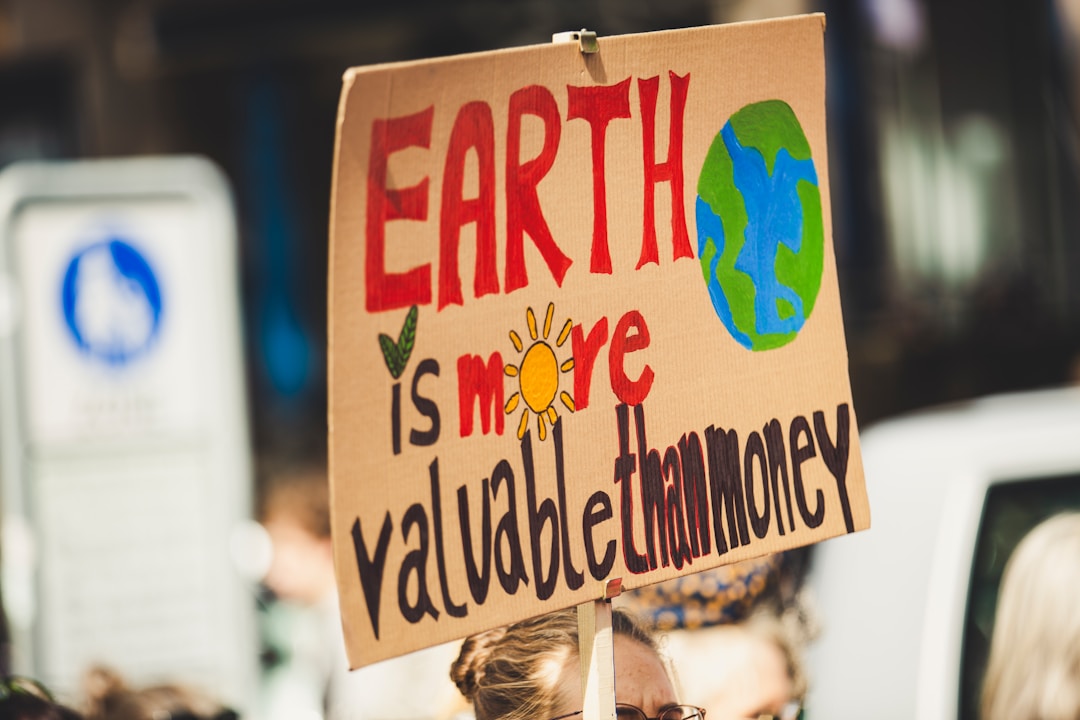
"Environment is not a resource to be exploited, but a legacy to be cherished and conserved for future generations."
Global warming is one of the most pressing environmental issues of our time. It refers to the long-term rise in the average temperature of the Earth's climate system. This phenomenon is primarily caused by human activities, particularly the emission of greenhouse gases. In this article, we will explore the science behind global warming, its causes, effects, and potential solutions.
What is Global Warming?
Global warming refers to the ongoing increase in global average temperature. This trend has been particularly rising since the late 19th century, coinciding with the industrial revolution. The Earth's atmosphere acts like a greenhouse, trapping heat and keeping the planet warm enough to sustain life. However, human activities have intensified this natural greenhouse effect, leading to higher temperature.
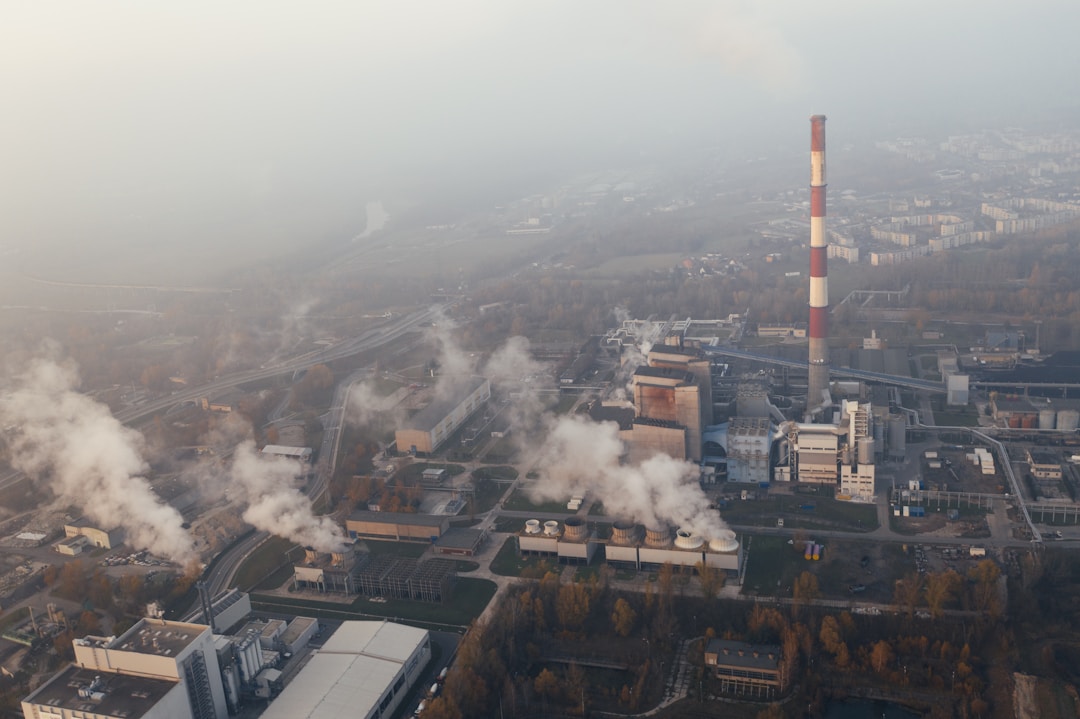
The Greenhouse Effect
The greenhouse effect is a natural process that warms the Earth's surface. When the Sun's energy reaches the Earth, some of it is reflected back to space and the rest is absorbed, warming the planet. The Earth then emits this energy in the form of infrared radiation. Greenhouse gases in the atmosphere, such as carbon dioxide (CO2), methane (CH4), and water vapor, trap some of this infrared radiation, preventing it from escaping into space. This trapped heat warms the Earth's surface.
Causes of Global Warming
Human Activities
Human activities are the primary drivers of global warming. The burning of fossil fuels for energy and transportation releases large amounts of CO2 and other greenhouse gases into the atmosphere. Deforestation and land-use changes also contribute to increased CO2 levels, as trees that would otherwise absorb CO2 are removed.
Natural Factors
While human activities are the main cause of recent global warming, natural factors also play a role. These include volcanic eruptions, which can release large quantities of greenhouse gases, and variations in solar radiation. However, these natural factors alone cannot account for the rapid warming observed over the past century.
Effects of Global Warming
Rising Temperatures
Global warming is leading to an increase in average global temperatures. This has a wide range of effects, including more frequent and severe heatwaves, which can have serious health impacts.
Melting Ice and Rising Sea Levels
As temperatures rise, glaciers and polar ice caps melt, contributing to rising sea levels. This can lead to coastal erosion, increased flooding, and the loss of habitat for plants, animals, and even humans.
Extreme Weather Events
Global warming is associated with an increase in the frequency and intensity of extreme weather events, such as hurricanes, droughts, and heavy rainfall. These events can cause significant damage to infrastructure, ecosystems, and human communities.
Potential Solutions
Reducing Greenhouse Gas Emissions
To mitigate global warming, it is crucial to reduce greenhouse gas emissions. This can be achieved through a variety of measures, including transitioning to renewable energy sources, improving energy efficiency, and adopting sustainable agricultural practices.
Reforestation and Afforestation
Planting trees and restoring forests can help absorb CO2 from the atmosphere, acting as a natural carbon sink. Protecting existing forests is also essential to maintain their role in regulating the climate.
International Cooperation
Global warming is a global issue that requires international cooperation. Agreements such as the Paris Agreement aim to bring countries together to set targets for reducing greenhouse gas emissions and to support each other in achieving these goals.

Conclusion
Global warming is a complex and multifaceted issue, driven primarily by human activities. Understanding the science behind global warming is essential for developing effective strategies to mitigate its impacts. By reducing greenhouse gas emissions, protecting and restoring forests, and harnessing technological innovations, we can work towards a more sustainable future. International cooperation and collective action are key to addressing this global challenge and ensuring a livable planet for future generations.
By exploring the science behind global warming, we can better understand the urgency of taking action and the steps we can take to mitigate its effects.
By : Manak Jain
