How Animals Communicate: Beyond Words
Animals speak a language that whispers through the earth, sky, and sea. To listen is to learn a world beyond words.
Did you know that animals talk to each other, even without words? Just like us, animals need to communicate to share information, find food, warn each other about danger, and even show affection. But since they don’t have words, animals have found creative ways to communicate. I personally find it so fascinating that different animals communicate with so many different ways. So, let’s look at some interesting examples of how animals "talk" to each other!
1. Dolphins: The Click and Whistle Chat
Dolphins have a special way of communicating underwater. They use a combination of clicks and whistles. Each dolphin has a unique whistle, which they use to identify themselves. By listening to these sounds, dolphins can tell if a friend or family member is nearby. They even “talk” by clicking, which works like an underwater radar, helping them locate objects and other dolphins.
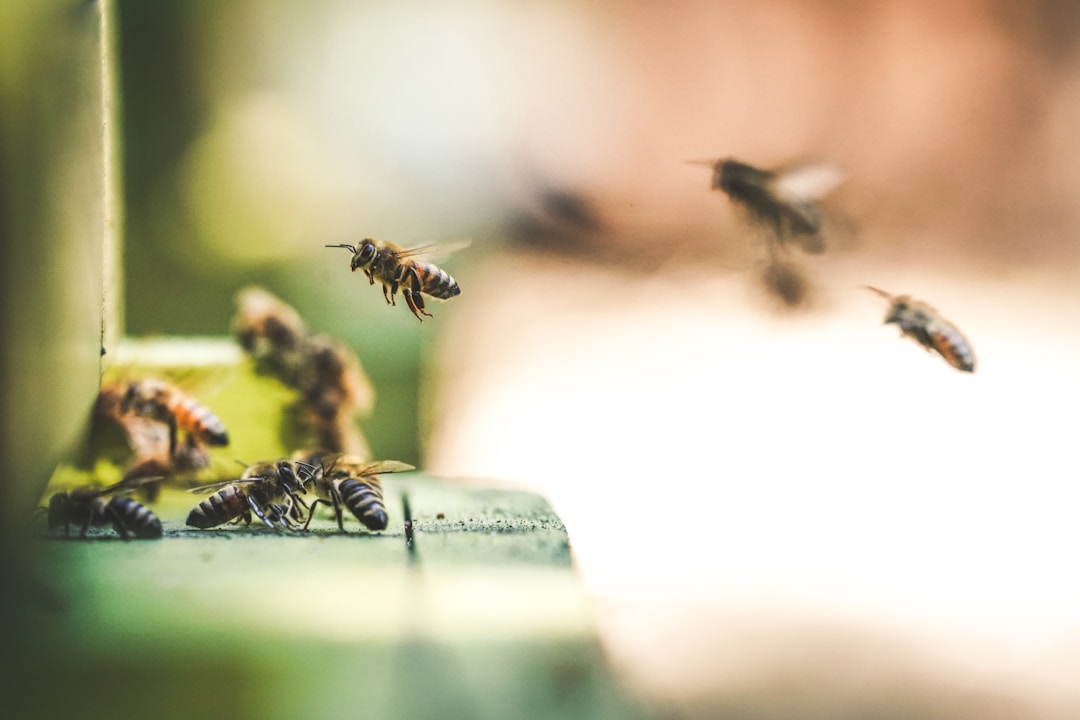
2. Bees: The Dancing Language
Bees don’t have words, but they sure know how to dance! When a bee finds a good source of nectar, it returns to the hive and performs a “waggle dance.” This dance tells other bees where the flowers are located. The direction and length of the dance show the distance and direction to the food.
3. Elephants: Deep Rumbles and Trunk Touches
Elephants have a complex way of communicating with each other, even over long distances. They make deep rumbling sounds that can be felt through the ground, allowing elephants miles away to sense these signals. They also use their trunks to touch and greet each other. A gentle touch with the trunk shows affection, while a raised trunk can be a sign of alert or danger.
4. Dogs: Body Language and Barking
We’ve all heard dogs bark, growl, and whine, but they also use body language to “speak.” When a dog wags its tail, it often means it’s happy or excited. However growling can be a warning sign, while a playful bark might mean, “Let’s play!”
5. Birds: Songs and Calls
Birds are known for their songs, which are more than just pleasant sounds. Different bird species use specific songs to attract mates, mark their territory, or warn about predators. For example, robins sing loudly in the morning to claim their space, while a crow's caw might signal danger to nearby birds. Each type of bird has its own “language,” which other birds understand.
6. Cats: Purrs, Meows, and Tails
Cats communicate in unique ways. When a cat purrs, it usually means it’s relaxed and happy, though they might also purr when they’re in pain to comfort themselves. Meowing is often used to communicate with humans, asking for food or attention. A cat’s tail is also a big indicator of how it feels—a raised, curled tail often shows a friendly mood, while a bushy tail might mean it’s scared or upset.
7. Fireflies: Flashing Lights
Fireflies light up at night using special chemicals in their bodies. This light isn’t just for show; it’s actually how fireflies communicate. Males flash patterns of light to attract females. Each species has a unique flashing pattern, so they can easily find each other. It’s almost like a secret code that only fireflies understand!
Just like humans need to communicate to share ideas and feelings, animals need it for survival. Their ways of communicating are perfectly suited to their needs and environments. By understanding how animals “talk,” we learn more about their lives and how they interact with the world around them.
Next time you see a bird singing or a dog wagging its tail, remember—they’re talking in their own special way!
